


Now Reading: Light Pollution and the Fading Night Sky
-
01
Light Pollution and the Fading Night Sky






1. What Is Light Pollution?
Light pollution refers to the excessive or misdirected use of artificial light at night that alters the natural darkness of the sky. Unlike other forms of pollution, light pollution is immediately visible: it turns the night sky brighter, washes out stars, and creates a persistent glow over cities known as skyglow.
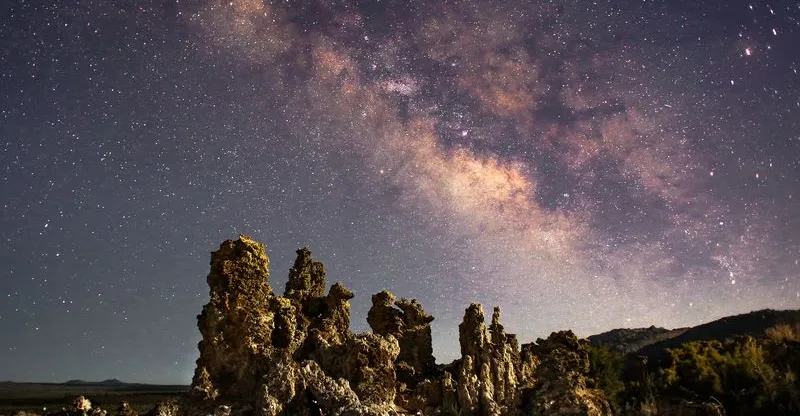
As artificial lighting spreads and intensifies, truly dark skies are becoming increasingly rare. Today, a large majority of people around the world live under skies so bright that the Milky Way is no longer visible to the naked eye.
2. How Artificial Light Alters the Night Sky
When outdoor lighting is poorly designed or overused, a significant portion of light escapes upward instead of illuminating the ground. This light interacts with molecules, dust, and aerosols in the atmosphere, scattering in all directions and brightening the sky.
Several factors contribute to this effect:
- Unshielded lights that shine upward or sideways
- High-intensity lighting in urban and suburban areas
- Blue-rich white LEDs, which scatter more efficiently in the atmosphere than warmer-colored lights
Together, these factors transform the natural darkness of night into a permanent artificial twilight.
3. The Disappearing Stars
For thousands of years, humans looked to the night sky for navigation, storytelling, and scientific discovery. Today, that view is fading.
Studies show that the brightness of the night sky is increasing each year, meaning fewer stars remain visible over time. Even in areas far from major cities, skyglow can travel hundreds of kilometers, erasing faint stars and celestial objects from view.
This loss is gradual but profound: many children grow up never seeing a truly dark, star-filled sky.
4. Impacts on Human Health
Light pollution does not only affect astronomers—it also affects human biology. Exposure to artificial light at night can disrupt the body’s circadian rhythm, which regulates sleep, hormone production, and overall well-being.
Reduced darkness can suppress melatonin production, potentially leading to:
- Sleep disturbances
- Increased stress and fatigue
- Long-term health effects linked to chronic circadian disruption
The night was never meant to be as bright as day.
5. Effects on Wildlife and Ecosystems
Many animals rely on natural light cycles for survival. Artificial light at night can interfere with:
- Bird migration, which depends on stars for navigation
- Nocturnal insects, drawn to artificial lights instead of their natural habitats
- Predators and prey, whose behaviors are altered by unexpected brightness
Plants can also be affected, as artificial lighting disrupts seasonal growth and flowering cycles. Over time, these disturbances can reshape entire ecosystems.
6. Wasted Energy and Environmental Costs
Light pollution is also a sign of inefficient energy use. Light that shines into the sky or into empty spaces consumes electricity without providing benefit.
This wasted energy increases costs and contributes indirectly to climate change through higher carbon emissions from power generation. Reducing light pollution is therefore both an environmental and an economic opportunity.
7. Why the Night Sky Matters
A dark night sky is more than a luxury—it is:
- A shared cultural heritage, reflected in myths, science, and history
- A gateway to education and curiosity, inspiring interest in astronomy and science
- A vital part of Earth’s natural balance, supporting both human health and biodiversity
Losing the night sky means losing a connection to the universe that shaped human civilization.
8. Restoring the Darkness
The good news is that light pollution is reversible. Simple changes can make a significant difference:
- Use shielded lighting that directs light downward
- Choose warmer-colored lights instead of blue-rich white LEDs
- Turn off lights when they are not needed
Around the world, dark-sky initiatives and responsible lighting policies are helping to protect remaining dark areas and restore the beauty of the night.
Conclusion
Light pollution is a growing but often overlooked environmental issue. As artificial light continues to spread, the stars fade quietly from view. By using light more thoughtfully, we can protect ecosystems, improve human health, reduce energy waste, and preserve the night sky for future generations.
The darkness of night is not something to fear—it is something worth protecting.
Author











Stay Informed With the Latest & Most Important News

Previous Post
Next Post


Stay Informed With the Latest & Most Important News
Advertisement